Five Questions for Every Officer in Iran
The Iranian military is the only institution capable of bringing about the downfall of the Ayatollahs’ regime.
January 19, 2026
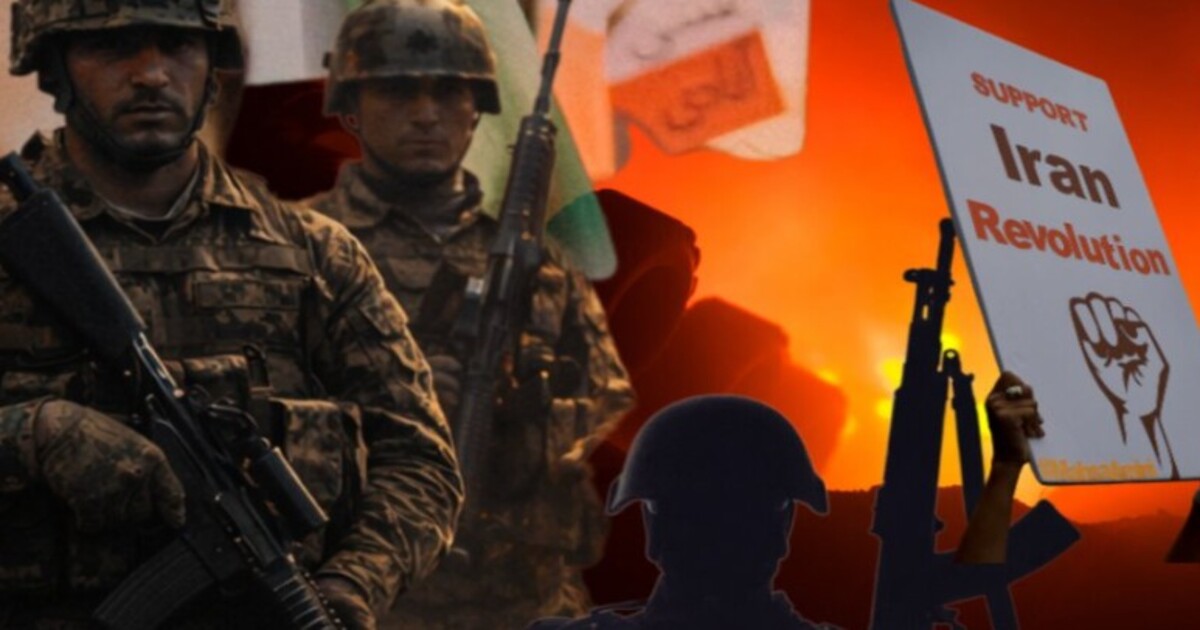

Unlike ever before, Iran’s Islamic regime is facing a revolt led by a generation that has lost its fear. Young and old, men and women, students and workers, are flooding the streets across the country.
Iran’s future may well hinge on whether its military chooses to act and save the country, driven by economic collapse, corruption and decades of repression.
Women lead the charge
Women and girls are at the forefront, protesting without headscarves, defying the clergy that once controlled every aspect of their lives. They don’t want reform — they are demanding freedom, economic relief and the end of authoritarianism.
Shutting down the internet, arresting nearly 17,000 protesters, killing many thousands, including women and children. Even U.S. President Donald Trump’s threat to use force to stop the Iranian regime have not prevented the mullahs from continuing their onslaught.
Brutal crackdown fails to silence dissent
The regime’s ruthless crackdown has been a calamitous wave of repression, taking thousands of lives in a brutal attempt to crush dissent. Yet even in the face of such peril, the public remains undeterred, determined to continue their fight.
The Iranian military is the most pivotal institution in the country, capable of catalyzing the downfall of the regime.
The military holds the key
The military is the key player, with significant internal influence and the capability to drive the necessary change from within, ultimately leading to regime change.
Every officer in the military should stop and think, how do I want to serve my country.
Five questions for every officer in Iran:
1. Do I want to continue to prop up a bunch of reactionaries, self-obsessed old men who have long since lost their relevance, wearing the false robe of piety to appear sanctimonious, while subjugating the people to hardship and hopelessness?
2. Should I not support the younger generations who are yearning for a better life, for opportunity, for a future that gives meaning to their existence?
3. Should I not participate in sparking the revival of this magnificent nation from the doldrums of the past 47 years that have consumed it from within?
4. Should I continue to prepare for war against Israel, or extend a peaceful hand and invest in building my country with such immense natural and human riches, be in the forefront of all other modern democratic and progressive nations, and restore the glory of ancient Persia?
5. Do I truly want to continue to wear blinders and let my country be destroyed from within, or should I become part of a newly reborn nation and take personal pride in helping to revive it?
The answer to these questions should be clear to every officer.
A path forward: Transitional government
In the final analysis, Iran’s destiny may rest on a single profound choice — whether its military steps forward to reshape the nation’s destiny.
The military therefore should establish a transitional government and pave the way for a legitimate, freely elected government and restore the Iranian people’s dignity and their right to be free.
Takeaways
Iran's future may well hinge on whether its military chooses to act and save the country, driven by economic collapse, corruption and decades of repression.
The Iranian military is the most pivotal institution in the country, capable of catalyzing the downfall of the regime.
The Iranian military should establish a transitional government and pave the way for a legitimate, freely elected government.
U.S. President Donald Trump’s threat to use force to stop the Iranian regime have not prevented the mullahs from continuing their onslaught.