Assessing the Global Impact of the U.S.-Iran Deal
Is the worst over? Probably yes, but Iran and the United States have apparently left some key issues unresolved.
June 17, 2026

Note to journalists: You may quote from this text, provided you mention the name of the author and reference it as a new Strategic Assessment Memo (SAM) published by the Global Ideas Center in Berlin on The Globalist.

In their framework agreement (to be signed on Friday), Iran and the United States have apparently left some key issues unresolved.
Lots of open issues
Examples seem to include the dilution or disposal of Iran’s highly enriched uranium, the Israel/Lebanon issue, some details of long-term sanctions relief for Tehran and – possibly – the precise arrangements for managing the Strait of Hormuz in the future.
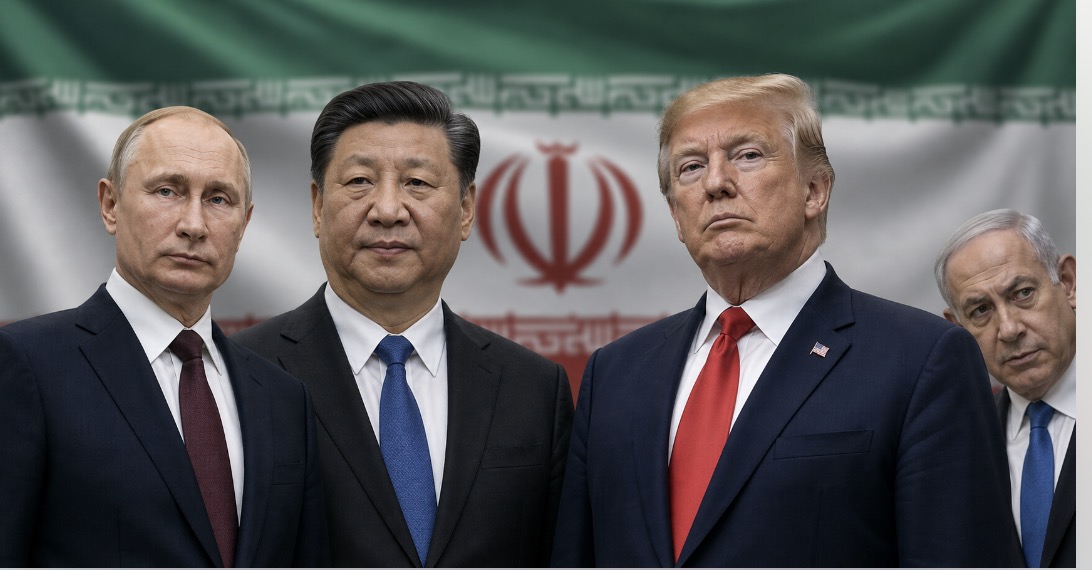
However, chances are that both sides will want to avoid the pain of a new prolonged closure of the Strait of Hormuz, U.S. president Donald Trump probably even more so than the regime in Tehran.
A collapse of the deal followed by a renewed surge in oil prices could hurt Trump’s Republicans badly in the midterm elections to the U.S. Congress in early November.
The structure of the deal with a 60-day period for further negotiations should make it easy to simply extend the deadline further and further, if the two sides cannot settle their differences in time.
One can also expect Trump to lean heavily on Israel’s prime minister Binyamin Netanyahu to not overreact to any future Hezbollah provocations.
The ride may still be rocky, possibly with quite some saber-rattling in the meantime. Nonetheless, it makes sense to assume that the Strait of Hormuz will be open most of the time going forward.
Tehran has prevailed
As details of the framework agreement have not been published yet, one has to withhold a final verdict. But judging by what has been reported so far, Tehran seems to have largely prevailed on many counts.
Although the Iranian regime brutally suppressed an uprising in January by killing thousands of demonstrators, the war seems to have strengthened rather than weakened the hold of the Revolutionary Guards over Iran.
Geopolitical impact
The experience of the last 100 days points to three geopolitical conclusions:
First, despite an intense bombing campaign, the United States has failed to achieve some of its stated targets including regime change in Tehran. This has likely weakened the global standing of the U.S.
Second, as in the case of Russia’s full-scale war against Ukraine, the U.S.-Iran conflict has shown how lesser powers with drones can thwart the military ambitions of greater powers.
This probably lowers the risk that China may launch a full-scale invasion of Taiwan in the next few years.
However, the example that Iran has set with the closure of the Strait of Hormuz could add to the risk that China may impose some kind of naval blockade of Taiwan at some time in the future. It is a risk that we need to watch more closely going forward.
Third, while the surge in oil prices has temporarily replenished Russian president Vladimir Putin’s war chest, the correction in oil prices now underway will hurt Russia.
If the Strait of Hormuz re-opens for good, the financial situation of Russia will become more precarious again.
Specifically, if oil prices fall back to around $75 by early 2027, Putin will probably have to settle for an armistice roughly along the current frontlines no later than spring or summer 2027, and possibly earlier than that.
By sharing their anti-drone experience with other countries, Ukraine has also scored some valuable political points in the last three months.
Impact on Europe
The fallout from the Iran war seems to have pushed the Eurozone countries into stagflation. Consumer confidence has tanked, while business confidence has fallen more modestly. The Iran shock has probably cost the Eurozone half a year of growth.
This makes it all the more important that the German government manages to agree on some pro-growth supply-side reforms to deliver a much-needed rebound in private investment in Europe’s largest – and so far badly lagging – economy.
This shouldn’t just happen for Germany’s own sake, but to underpin economic dynamism in the EU economies more broadly.
Takeaways
While details of the framework agreement have not been published yet, by what has been reported so far, Tehran seems to have largely prevailed on many counts.
While the surge in oil prices has temporarily replenished Russian president Vladimir Putin’s war chest, the correction in oil prices now underway will hurt Russia.
he U.S.-Iran conflict has shown how lesser powers with drones can thwart the military ambitions of greater powers. This probably lowers the risk that China may launch a full-scale invasion of Taiwan in the next few years.
A collapse of the deal followed by a renewed surge in oil prices could hurt Trump’s Republicans badly in the midterm elections to the U.S. Congress in early November.
One can also expect Trump to lean heavily on Israel’s prime minister Binyamin Netanyahu to not overreact to any future Hezbollah provocations.
The structure of the deal with a 60-day period for further negotiations should make it easy to simply extend the deadline further and further, if the two sides cannot settle their differences in time.
Chances are that both sides will want to avoid the pain of a new prolonged closure of the Strait of Hormuz, U.S. president Donald Trump probably even more so than the regime in Tehran.
Note to journalists: You may quote from this text, provided you mention the name of the author and reference it as a new Strategic Assessment Memo (SAM) published by the Global Ideas Center in Berlin on The Globalist.