
The Climate Crisis is a Threat Multiplier for Girls
The challenge is to initiate measures to strengthen the protection, participation and visibility of women and girls within the realm of climate policy.
December 6, 2025
A Strategic Assessment Memo (SAM) from the Global Ideas Center

You may quote from this text, provided you mention the name of the author and reference it as a new Strategic Assessment Memo (SAM) published by the Global Ideas Center in Berlin on The Globalist.

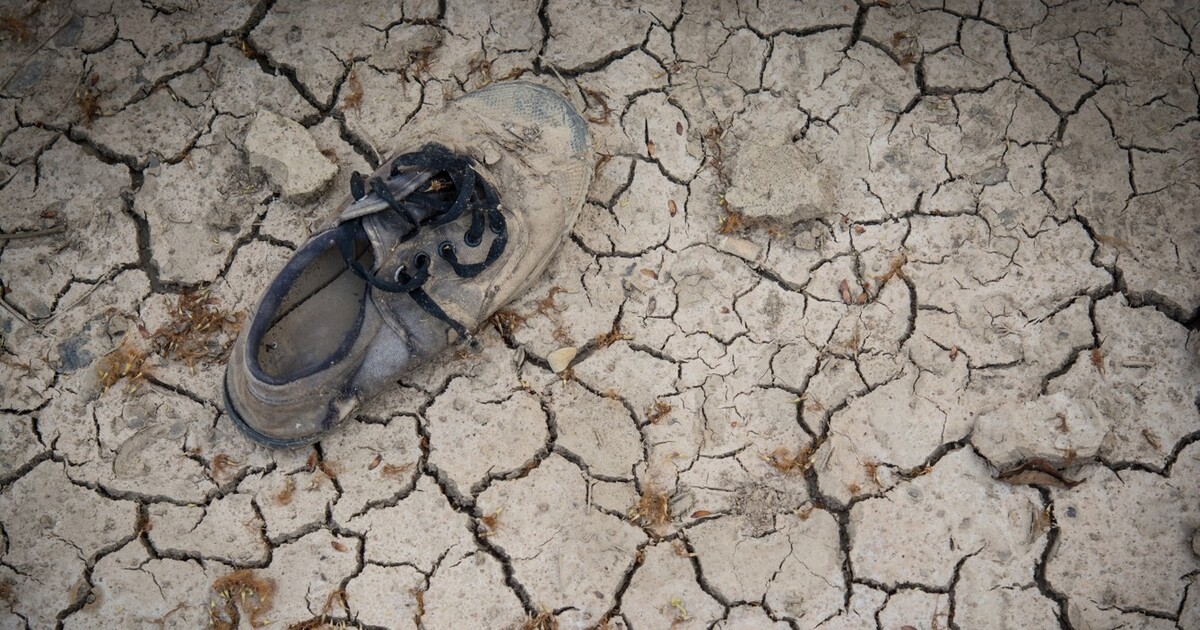
Climate-driven extreme weather disasters are becoming more frequent and severe. Droughts, floods and cyclones are destroying crops, homes and livelihoods. These climate shocks act as a threat multiplier. They deepen inequalities, intensify competition over scarce resources and weaken protection systems.
Who gets withdrawn from school first?
When families struggle financially, girls are more likely to be withdrawn from school first, as educating sons is often prioritized.
Displaced families may also end up in temporary shelters or informal settlements. There, due to overcrowding and a lack of security, basic services, schooling and income-generating opportunities, the risk of sexual violence and exploitation is significantly heightened.
Risky daily chores
Girls are commonly responsible for collecting water. When local sources are no longer available, they may have to walk longer distances or queue at crowded collection points. That leaves them acutely vulnerable to sexual harassment, exploitation and assault.
For families pushed deeper into poverty and instability, child marriage is sometimes mistakenly seen as a way to protect daughters.
In reality, it exposes girls to higher rates of domestic abuse, unwanted and unsafe pregnancy before their bodies are fully developed. This limits their economic opportunities and traps them in a cycle of harm and dependency.
The pressure to ease financial strain
Marriage may also be seen as a way to ease financial strain by reducing the number of household dependents, or as a short-term economic benefit if a bride’s family receives payment.
All of which is why the global climate community and individual governments must recognize that climate action that is gender-responsive is not optional. It is mandatory.
The challenge is to initiate measures to strengthen the protection, participation and visibility of women and girls within the realm of climate policy.
Focus on Eastern and Southern Africa
Our region has some of the world’s highest rates of child marriage, with an estimated 31% of young women and children wed under the age of 18.
Despite the existence of the “Model Law on Eradicating Child Marriage and Protecting Children Already in Marriage” of the Southern African Development Community (SADC), progress remains slow and varied among SADC countries. But at least it provides a comprehensive legal framework to end child marriage and support survivors.
However, the prevalence of climate-related displacement, harmful social norms, poverty and weak enforcement of legal protections put girls at risk of child marriage applies even in Eastern and Southern Africa countries with progressive laws on paper.
For example, a study commissioned by Women and Law in Southern Africa (WLSA), with support from Equality Now, found that despite commendable legislative and policy measures introduced in Zimbabwe to prevent child marriage, survivors continue to face significant challenges. The study underscored the need to further strengthen the country’s legal, institutional and policy structures.
Needed: Tangible protection for girls
For all these reasons, climate strategies and budgeting should prioritize girls’ education and social protection, including investing in safe, climate-resilient school infrastructure and providing mobile or temporary learning facilities for displaced communities. Economic empowerment and climate-resilient livelihood opportunities for women and girls are also key.
Further meaningful progress will be achieved in Eastern and Southern Africa when all countries raise their legal age of marriage to 18 without exception, with effective enforcement of child marriage laws underpinned by a genuinely multi-sectoral response.
Government, civil society, the education sector, healthcare professionals and other duty bearers should work together to build community awareness about the harms and legal consequences of child marriage and provide comprehensive support for survivors and those at risk.
The media, too, has a vital role to play in amplifying girls’ voices and shaping political will by highlighting links between child marriage and climate change. This is especially important because vulnerable communities in Eastern and Southern Africa contributed the least to global greenhouse gas emissions – but are among those worst affected.
Focus on the Belém Gender Action Plan
Wealthier nations, particularly those historically responsible for the highest carbon output, have a moral and legal obligation to provide African nations with meaningful financial support for climate shocks and adaptation.
When girls are educated, safe and empowered, their families, communities and nations thrive. This, in turn, strengthesn the resilience of the region and propels sustainable development for all.
The next decade will determine whether the Belém Gender Action Plan marks a turning point or a missed opportunity. Governments and donors must now step up with sustained investment and decisive action to protect girls and build climate-resilient systems that put their voices, rights and well-being at the center.
Takeaways
When families struggle financially, girls are more likely to be withdrawn from school first, as educating sons is often prioritized.
For families pushed deeper into poverty and instability, child marriage is sometimes mistakenly seen as a way to protect daughters. For families pushed deeper into poverty and instability, child marriage is sometimes mistakenly seen as a way to protect daughters.
The global climate community and individual governments must recognize that climate action that is gender-responsive is not optional. It is mandatory.
Vulnerable communities in Eastern and Southern Africa contributed the least to global greenhouse gas emissions – but are among those worst affected.
Governments and donors must now step up with sustained investment and decisive action to protect girls and build climate-resilient systems that put their well-being at the center
A Strategic Assessment Memo (SAM) from the Global Ideas Center
You may quote from this text, provided you mention the name of the author and reference it as a new Strategic Assessment Memo (SAM) published by the Global Ideas Center in Berlin on The Globalist.