The Global Authoritarian Alliance
Authoritarian regimes the world over are increasingly keen to shape the global agenda. The West facilitates their efforts.
April 22, 2026
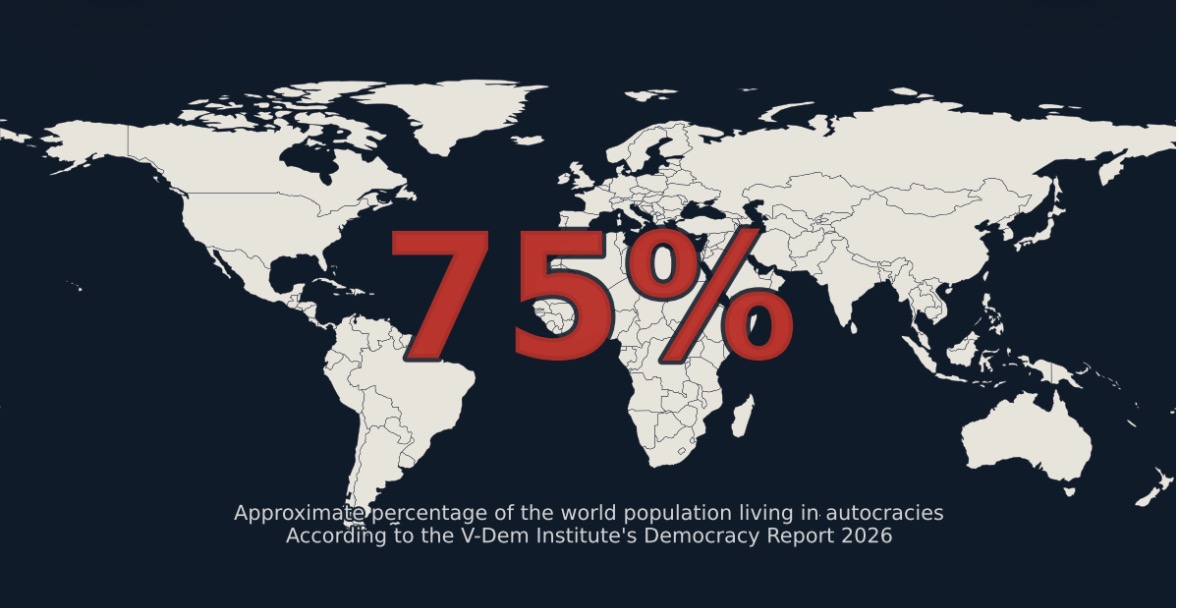
Autocracies are more populous than democracies today—nearly three-quarters of the world’s population now lives in authoritarian states.
Autocratic countries accounted for nearly 50% of global GDP as of 2022. That is double their share of global GDP in the 1990s.
This greater wealth has helped them build more repressive and more technologically sophisticated political environments at home.
In addition, it has helped them upgrade and expand their diplomatic corps, state media and ability to wield influence online beyond their own borders by expanding global disinformation efforts.
The phalanx of authoritarian regimes have four main goals: First, to keep other authoritarians in power. Second, to degrade democracy in many parts of the world. Third, to challenge democracy as the best system of governance. And fourth, to create autocratic regional and global alternatives to the post-World War II order.
Already, the trust between democracies that is central to international institutions is beginning to collapse—as democracy faces grave difficulties in many countries and the current U.S. government simply dismisses many traditional partners.
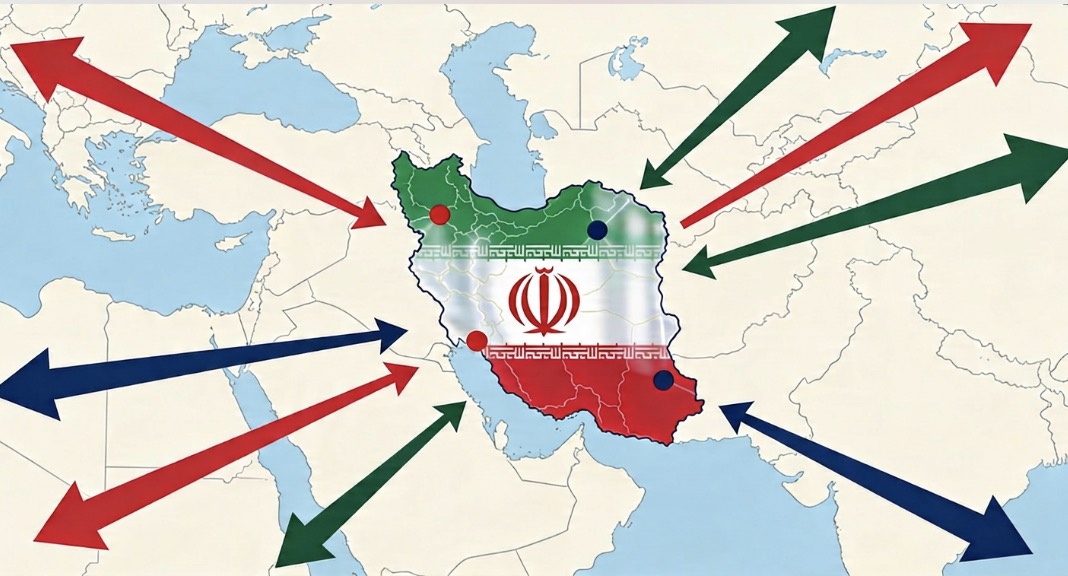
The Iran war proves to be a major booster of the authoritarian governments strategic impetus.
China and Russia have provided critical military and intelligence support to Iran.
Even close U.S. allies and partners in Asia, facing pressing energy needs, are increasingly working with Iran and Russia to buy oil from them, thereby moving closer to U.S. adversaries, while also boosting the use of the yuan.
Overall, current developments could lead to a Suez Crisis-type fashion, permanently damaging the United States’ image. It could well signal that a post-U.S. world order is already here, largely at the U.S.’s own making.
Source: Council on Foreign Relations