Populist Waves in the Americas: Redefining Politics and Democracy
A surge in populist leadership across the Americas is promising simplified solutions, risking democratic checks and human rights.
March 24, 2026
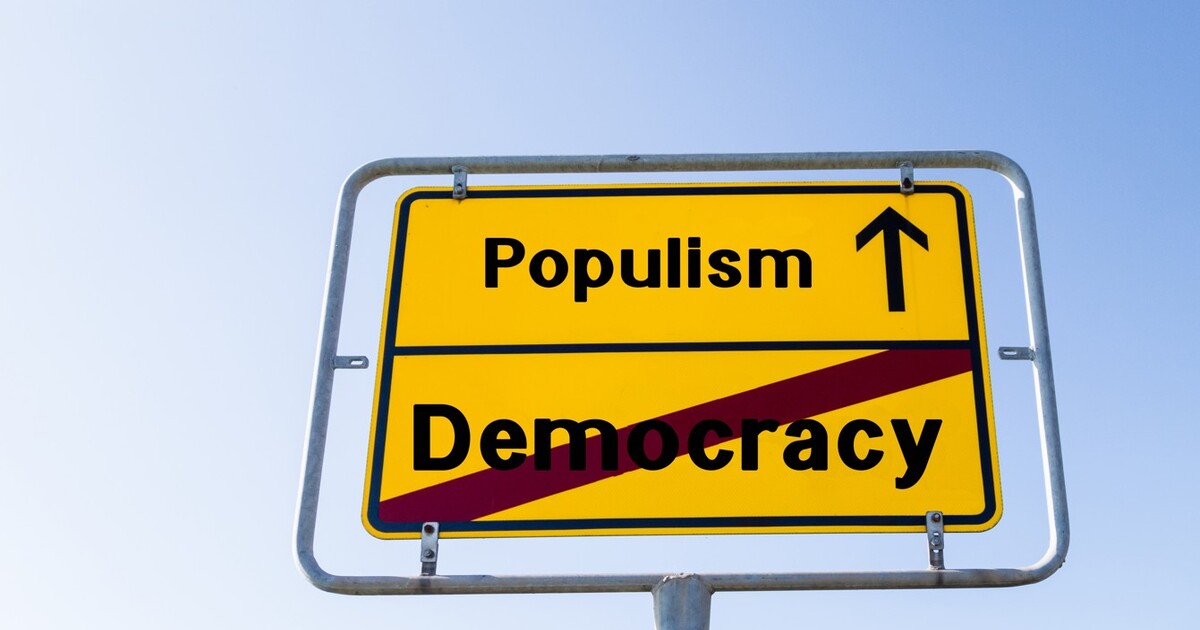

The political landscape of the Americas has been dramatically transformed by a surge in populist leadership.
From the United States to Brazil, Mexico, Argentina and El Salvador, populist figures have tapped into widespread dissatisfaction with traditional political institutions.
These leaders employ a mix of anti-establishment rhetoric, promises of radical change and straightforward solutions to resonate with electorates disillusioned by economic inequality, corruption and the perceived disconnect of established elites.
Unifying grievances and populist rhetoric
At the core of populism in the Americas lies a deep-seated mistrust of established institutions. Populist leaders consistently portray political elites as corrupt, disconnected and responsible for the hardships faced by ordinary citizens.
They construct narratives that simplify complex socio-economic issues, presenting themselves as the sole representatives of the common people and offering clear, decisive solutions.
In the United States, Donald Trump’s “Make America Great Again” resonated with voters feeling left behind by globalization and cultural shifts, particularly white working-class communities marginalized by rapid change.
In Brazil, both Jair Bolsonaro and Luiz Inacio Lula da Silva mobilized support by highlighting the failures of traditional political structures. Bolsonaro capitalized on insecurity and disdain for the established order, while Lula’s focus on social justice and wealth redistribution appealed to those suffering from economic inequality.
The rise of the outsiders
Leaders in Mexico, El Salvador and Argentina have also positioned themselves as champions of the disenfranchised. In Mexico, AMLO built his identity as “the people’s president,” opposing the elite and advocating for social reform.
His successor, Claudia Sheinbaum, maintains this approach with data-driven policies and progressive measures. In El Salvador, Nayib Bukele uses social media to engage directly with supporters, bypassing traditional media.
In Argentina, Javier Milei’s confrontational rhetoric and radical economic proposals appeal to voters frustrated by instability and mismanagement.
Despite their ideological differences, these leaders share a strategy of simplifying their nation’s challenges into clear problems with straightforward solutions. This approach resonates in societies frustrated by bureaucracy and corruption, allowing populists to mobilize support by promising a return to order, prosperity and justice.
Varied ideologies: The many faces of populism
While the populist impulse is common across the region, the ideological orientations of these leaders differ significantly. Populism does not adhere to a single political doctrine but rather adapts to local historical, economic and cultural contexts.
In Latin America, for instance, populism often has a pronounced left-wing character, while in other parts of the Americas it can lean sharply to the right.
In Mexico, populism is rooted in left-wing politics. AMLO combated corruption, redistributed wealth and boosted state intervention to protect the poor — with his daily press conferences reinforcing a transparent, anti-corruption image.
His successor, Claudia Sheinbaum, has evolved this legacy by integrating environmental and social justice issues into a more technocratic approach that still represents ordinary citizens.
In contrast, Trump’s economic populism in the United States focused on deregulation and protectionism — appealing to voters disillusioned by globalization.
Diverging paths
Brazil and Argentina offer contrasting portraits of populism. In Brazil, the country’s president from 1999 to 2023 Jair Bolsonaro’s aggressive nationalism and neoliberal policies emphasized law and order, deregulation and market liberalization. This resonated with voters frustrated by corruption and stagnation, though critics argue his approach mainly benefited large corporations and deepened societal divides.
In contrast, Luiz Inacio Lula da Silva, Brazil’s current president, is offering a more inclusive vision, championing social investment, poverty reduction and expanded healthcare and education since his time in office.
Meanwhile, in Argentina, Javier Milei’s radical populism — marked by his embrace of libertarian economic theories such as eliminating the central bank and dollarizing the economy — aims to combat chronic inflation and instability.
His confrontational style appeals to those disillusioned with conventional politics, yet his drastic reforms raise concerns about potential social costs for vulnerable citizens.
El Salvador’s populist exception
In El Salvador, Nayib Bukele’s populism defies traditional left-right categorization. His focus on modernizing the economy, reducing crime and tackling corruption has garnered broad support.
However, his increasing use of emergency powers and actions that limit judicial independence raise concerns about the erosion of democratic norms. Bukele’s approach blends left- and right-wing rhetoric — showcasing the adaptability of populist strategies to local political contexts.
Democracy under strain: Human rights in the populist era
One of the most contentious aspects of populist governance in the Americas is its impact on human rights and democratic institutions. While populist leaders claim to represent the people and to champion the causes of the marginalized, their methods often involve curtailing civil liberties and undermining checks and balances that are essential for a healthy democracy.
In the United States, populism’s polarizing rhetoric has fostered an environment where dissent is demonized, with nationalism and law-and-order policies marginalizing minorities and restricting freedoms.
Similarly, in Brazil, Bolsonaro faced criticism for undermining media freedom and political opposition, while Lula’s more inclusive approach must reconcile populist promises with democratic governance.
In Mexico, the confrontational stance of AMLO and Sheinbaum — often framing the media as part of a corrupt elite — has drawn significant scrutiny over human rights, particularly regarding the safety of journalists and civil society defenders, contributing to a dangerous climate for free expression.
Governance and democratic erosion
El Salvador presents a cautionary tale: While Bukele’s aggressive security measures have reduced crime, his reliance on emergency powers and weakened judicial independence raises concerns about eroding democratic oversight and civil liberties.
Similarly, in Argentina, the fervor surrounding Milei’s proposals has alarmed human rights advocates, as his proposed economic austerity and incendiary rhetoric risk exacerbating social inequalities and destabilizing democratic institutions.
Populist leaders in the Americas often favor rapid, centralized decision-making, bypassing deliberative processes and sidelining minority rights.
This approach weakens legislative oversight, concentrates executive power and erodes the rule of law. While it may offer short-term gains, it risks replacing inclusive governance with authoritarianism in a region marked by deep inequalities and fragile institutions.
Economic narratives and populist appeal
The economic aspect of populism is as vital as its political rhetoric. Populist leaders tap into economic hardship and inequality, promising to overhaul systems, redistribute wealth and create a more equitable society — though their proposals often oversimplify complex issues.
In Brazil, Bolsonaro and Lula offer contrasting economic narratives. Bolsonaro’s rhetoric focused on fiscal responsibility, deregulation and market liberalization, benefiting large corporations more than the working class.
In contrast, Lula’s social investment track record promotes state intervention to address historical inequalities and ensure economic growth benefits all.
In Argentina, Javier Milei’s radical economic reforms, including eliminating the central bank and dollarizing the economy, aim to tackle inflation and fiscal mismanagement.
While innovative, these measures could harm vulnerable groups and destabilize the economy. Milei’s case shows how populist economic narratives can pose significant risks if not carefully considered.
The diversity of populist policies
El Salvador’s embrace of unconventional economic strategies, such as adopting Bitcoin as legal tender, highlights the diversity of populist policies. While these moves have gained attention and fostered a narrative of disruption, their long-term impact remains uncertain.
The country’s informal economy and structural challenges suggest that innovative policies may struggle to provide lasting benefits without broader reforms.
Economic populism responds to genuine grievances — middle-class frustration in the United States, working-class struggles in Brazil and instability in Argentina and El Salvador.
Leaders use economic narratives to promise radical change, positioning themselves as outsiders ready to challenge a broken system — particularly in regions marked by inequality and historical exclusion.
Navigating the populist era
The populist wave sweeping across the Americas is neither monolithic nor static. It is a dynamic and multifaceted phenomenon that reflects the deep-rooted frustrations of citizens. Populist leaders in these countries have each redefined politics by challenging established elites and offering simplified solutions to complex problems.
Populist leaders tap into citizens’ frustrations, positioning themselves as agents of change, but their agendas often risk eroding democratic norms, threatening human rights and causing social fallout from radical reforms — challenges that must be addressed for lasting benefits.
When harnessed responsibly, populism can spark necessary reforms
However, populism isn’t inherently bad. At its core, it reflects genuine demands for accountability and representation, giving voice to those historically marginalized. When harnessed responsibly, populism can serve as a corrective to failing systems and spark necessary reforms.
As the Americas navigate globalization, economic uncertainty and rapid social change, populism proves a double-edged sword. It promises inclusive participation and tackles deep-rooted inequalities, while challenging democracies to balance decisive action with accountability and human rights.
The region’s future depends on aligning citizens’ aspirations with safeguards for justice, equality and stability — and on balancing sweeping change with the practical demands of governance.
The populist surge calls for a re-examination of political representation and economic justice, amplifying marginalized voices. Yet vigilance is key, as the line between reform and authoritarian drift is thin.
Turning populism into a catalyst for sustainable development
As these leaders shape discourse, democracies must channel their energy into genuine reform — anchored in transparency, accountability and human rights — to turn populism into a catalyst for sustainable development.
The populist movements sweeping across the Americas embody both the hope for change and the dangers of unchecked power. They highlight the need to balance passion for direct political action with democratic governance and the protection of rights.
The future of the Americas depends on this balance, which could lead to a more equitable political order. The populist wave may promise change — but only democracies anchored in rights, accountability and justice will survive the storm.
Takeaways
A surge in populist leadership across the Americas is promising simplified solutions, risking democratic checks and human rights.
Populist leaders consistently portray political elites as corrupt, disconnected and responsible for the hardships faced by ordinary citizens.
One of the most contentious aspects of populist governance in the Americas is its impact on human rights and democratic institutions.
The populist wave sweeping across the Americas is neither monolithic nor static. It is a dynamic and multifaceted phenomenon that reflects the deep-rooted frustrations of citizens.
The populist surge calls for a reexamination of political representation and economic justice, amplifying marginalized voices. Yet vigilance is key, as the line between reform and authoritarian drift is thin.
Populism does not adhere to a single political doctrine but rather adapts to local historical, economic and cultural contexts.
The populist wave may promise change — but only democracies anchored in rights, accountability and justice will survive the storm.